WHAT TO WEAR
DRESS CODE
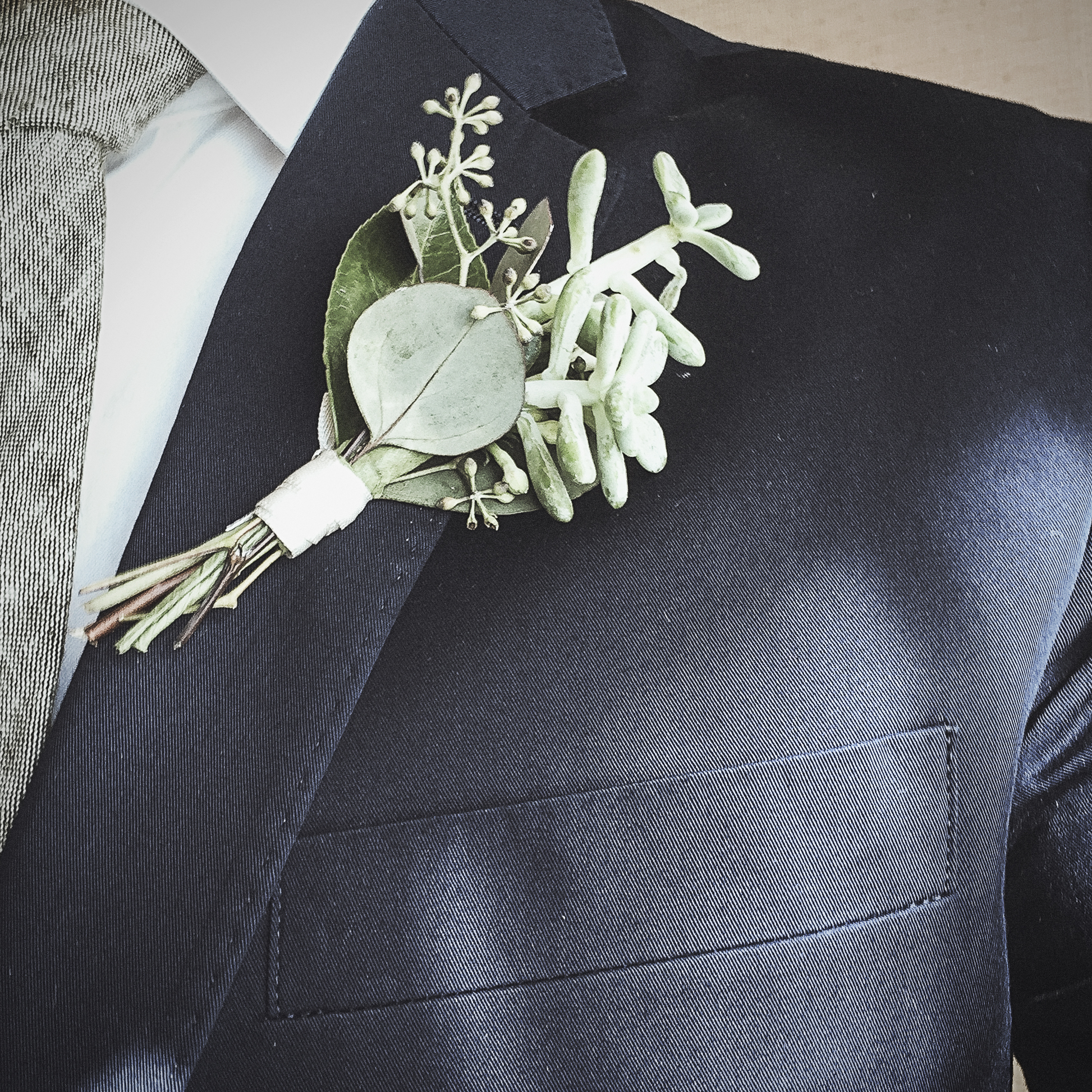
The dress code is Black, White and Grey/Silver.
We all need chances to get a little fancy so lean into that as much as you'd like. Taylia does not care if you wear white! Patterns are a great way to mix colours as well.
THINGS YOU WILL SEE AT OUR CELEBRATION
OUR CUSTOMS
Casting a Circle - Casting a circle is a ritual practice commonly found in various spiritual traditions, particularly in Wicca, and some pagan practices. It involves calling the elements to create a sacred, protected space for performing rituals or ceremonies.
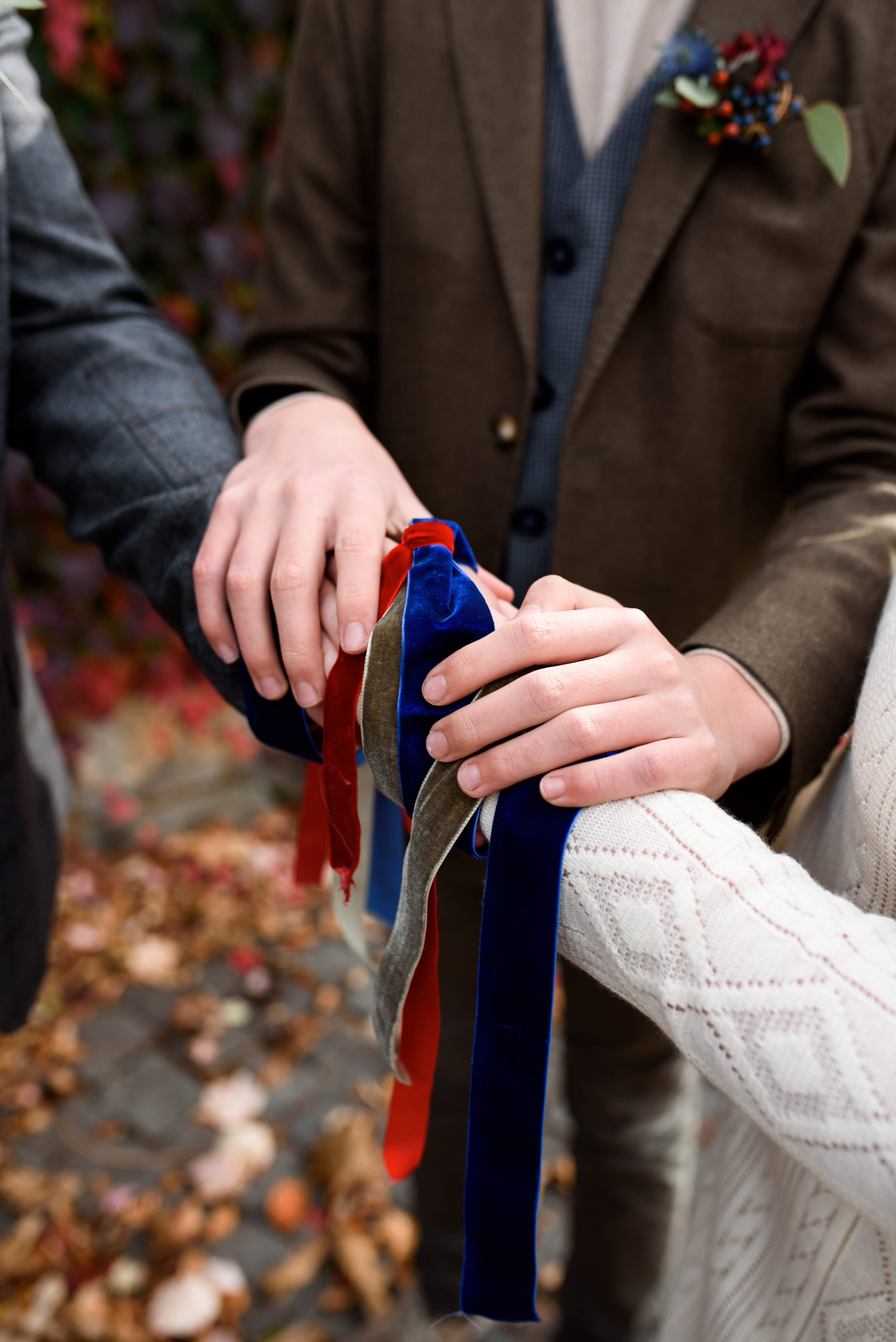
Handfasting - Handfasting is a symbolic ritual that involves tying a couple's hands together with a cord or ribbon. It is often used in wedding ceremonies to represent the binding of two lives together in love and commitment. The tradition has its roots in ancient Celtic cultures and has been adopted by many modern couples, regardless of their religious or spiritual beliefs.
Intention – Intention is a central and powerful concept. It refers to the focused purpose or desire that practitioners hold while performing rituals or spellwork. Intention is considered the driving force behind magical and spiritual practices, shaping the outcome of the work being done.
rituals and practices
OSTARA BRUNCH
We are excited to host you at our house for an Ostara brunch on the Saturday after our celebration. This is another opportunity to mingle and see the ones we love. With the hecticness of the celebration we might not get the chance to talk and reconnect and we don't want to miss that opportunity. Please come and enjoy some food, activities and connection with us.
Since we are in the process of looking for a house the location is not decided yet but we will update everyone as soon as it is. It will be in the Victoria area so no matter where you are staying it will be easy to get to.
Here are some key aspects of Ostara:
Ostara, also known as the Spring Equinox, is one of the eight major Sabbats or festivals in the Wiccan Wheel of the Year. It typically falls around March 20th or 21st in the Northern Hemisphere, when day and night are approximately equal in length. This time marks the beginning of spring and the renewal of life after the winter months.
Ostara celebrates themes of balance, renewal, and rebirth. It symbolizes the awakening of nature and the return of longer days. The festival is associated with the fertility of the Earth and the growth of new life.
Common symbols of Ostara include eggs, hares (or rabbits), flowers, and sprouts. These symbols represent fertility, new beginnings, and the vitality of the natural world.
Rituals and Practices:
Decorating with Spring Flowers: Celebrants often decorate their altars and spaces with spring flowers and other natural elements to honor the season's vibrancy
Eggs and Hares: Eggs are often used in rituals or as part of festive decorations, symbolizing new life and potential. Hares or rabbits, which are known for their prolific breeding, are also associated with the festival.Spring Cleaning: The practice of cleaning and clearing out old or stagnant energy can be part of the celebration, symbolizing a fresh start and new growth.Cultural Influences: Ostara has connections to various cultural and historical traditions, including Germanic and Anglo-Saxon customs. The name "Ostara" is derived from Eostre, a goddess of spring and fertility in pre-Christian Germanic traditions. Some modern practices blend these historical elements with contemporary Wiccan beliefs.
Balance and Harmony: The Spring Equinox is a time of equal light and darkness, which symbolizes balance and harmony. Practitioners may focus on achieving balance in their own lives and reconnecting with nature's cycles.
Ostara is a time for celebrating the Earth’s awakening, embracing new beginnings, and focusing on personal growth and renewal. It provides an opportunity to align with the energies of spring and to set intentions for the coming year.